
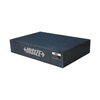
Granite Surface Plate: The Foundation of Precision Measurement
, by Jenny Aguirre , 7 min reading time
, by Jenny Aguirre , 7 min reading time
Precision is the cornerstone of manufacturing, engineering, and quality control. Whether you're inspecting machined components, calibrating instruments, or verifying dimensional accuracy, a reliable reference surface is essential. This is where a granite surface plate becomes one of the most important tools in any inspection or metrology environment.
Manufactured from high-quality granite and engineered to strict flatness standards, granite surface plates provide an exceptionally stable and accurate measuring surface. They serve as the foundation for countless inspection and calibration tasks across industries including manufacturing, aerospace, automotive, mining, medical device production, and precision engineering.
If accuracy and repeatability matter in your operation, investing in a quality granite surface plate can significantly improve measurement consistency and quality control outcomes.
A granite surface plate is a precision-machined flat reference surface used for dimensional inspection, calibration, and measurement tasks. Made from dense granite stone, these plates offer superior stability and wear resistance compared to many alternative materials.
Granite is chosen because of its unique physical properties:
High dimensional stability
Excellent flatness retention
Low thermal expansion
Corrosion resistance
Non-magnetic properties
Minimal maintenance requirements
These characteristics make granite surface plates ideal for environments where measurement accuracy is critical.
Many people wonder why granite is used instead of steel or cast iron.
The answer lies in granite's exceptional stability.
Unlike metal surfaces, granite does not rust, corrode, or develop burrs that could compromise measurement accuracy. It also resists temperature-related distortion better than many other materials.
Key advantages include:
Precision granite plates are manufactured and certified to strict flatness tolerances, ensuring reliable measurement results.
Granite is extremely durable and maintains its surface integrity even after years of use.
Unlike metal alternatives, granite does not rust when exposed to moisture or workshop environments.
Granite experiences minimal dimensional change due to temperature fluctuations, helping maintain measurement accuracy.
Granite surface plates are widely used throughout industry because they provide a stable and highly accurate reference plane.
Common applications include:
Inspectors use granite surface plates to verify dimensional tolerances and ensure components meet specifications.
Surface plates provide a precise base for calibrating measurement instruments such as:
Height gauges
Dial indicators
Micrometers
Gauge blocks
Bore gauges
Engineers and machinists use granite plates for marking, layout work, and precision assembly operations.
Manufacturers rely on granite plates to inspect tooling, fixtures, and machine components before production.
One of the most recognized standards for granite surface plates is DIN 876.
DIN 876 defines flatness tolerances and quality grades for precision measuring surfaces. Surface plates manufactured according to DIN 876 standards provide assurance that measurement accuracy meets internationally recognized requirements.
Common grades include:
Highest precision level
Suitable for calibration laboratories
Used for advanced metrology applications
Common in quality control departments
Excellent accuracy for production inspection
Suitable for general manufacturing environments
Ideal for routine inspection work
Choosing the appropriate grade depends on your measurement requirements and application.
The primary purpose of a granite surface plate is to provide an accurate reference plane. This ensures consistent and repeatable measurements across all inspection activities.
Accurate measurements lead directly to better product quality. Components can be verified against specifications before they proceed through production.
When measurement errors are minimized, manufacturers can reduce costly rework and rejected parts.
Although a granite surface plate represents an investment, its durability and longevity often make it one of the most cost-effective metrology tools available.
Quality control teams can perform inspections knowing they are working from a certified and reliable reference surface.
Several factors should be considered when selecting a granite surface plate.
The surface plate should comfortably accommodate the parts being inspected.
Common sizes range from compact laboratory plates to large industrial inspection tables.
Select a DIN 876 grade appropriate for your application and required tolerances.
Consider the weight of components and inspection equipment that will be placed on the surface.
Proper support is essential for maintaining flatness and preventing distortion.
Regular maintenance helps preserve accuracy and extend service life.
Best practices include:
Clean the surface before and after use
Use approved cleaning products
Avoid dropping tools on the plate
Protect from excessive impact
Cover when not in use
Schedule periodic calibration
Routine maintenance ensures your granite surface plate continues to provide reliable measurement performance.
As manufacturing tolerances become increasingly tight, the importance of accurate measurement continues to grow.
Industries such as aerospace, automotive, defence, and medical manufacturing require extremely precise components. Even minor dimensional errors can lead to product failures, increased costs, or compliance issues.
A certified granite surface plate provides the stable foundation necessary to maintain high-quality inspection processes and support modern manufacturing standards.
A granite surface plate is one of the most valuable tools for precision measurement, inspection, and calibration. Its exceptional flatness, thermal stability, wear resistance, and long service life make it the preferred choice for quality control professionals worldwide. Whether you're performing routine inspections, calibrating instruments, or verifying critical dimensions, a DIN 876-certified granite surface plate delivers the accuracy and reliability needed to maintain the highest standards of manufacturing excellence.
For businesses focused on precision engineering and quality assurance, investing in a professional-grade granite surface plate is a smart long-term decision that supports consistent results and improved operational performance.
A granite surface plate is used as a precision reference surface for measuring, inspecting, and calibrating components. It provides a highly accurate and stable platform for quality control tasks, helping engineers and machinists verify dimensions and maintain manufacturing accuracy.
Granite surface plates are preferred because they are corrosion-resistant, non-magnetic, and highly stable. Unlike metal plates, granite does not rust or develop burrs, ensuring long-term accuracy and reduced maintenance while providing excellent wear resistance and thermal stability.
The calibration frequency depends on usage and environmental conditions. Most manufacturers recommend inspecting and calibrating a granite surface plate every 12 to 24 months to ensure it maintains the required flatness and accuracy standards for precision measurement and quality control applications.


